Victorian Charm: Outfits with History

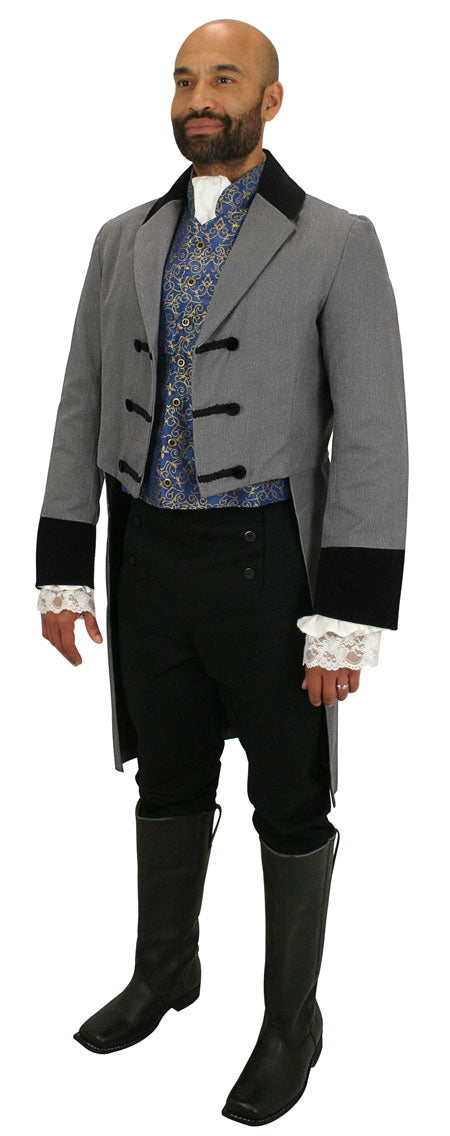
Dashing frock coats, fancifully flourished walking suits and many a fine chapeau. Our Victorian fashion collection blends the era's refined aesthetic with everyday wearability. Whether you're embodying the analytical mind of Sherlock Holmes, the compassionate spirit of Florence Nightingale, or the savoir faire of Prince Albert, our Victorian outfits feature historically accurate details that will transport you to another era.

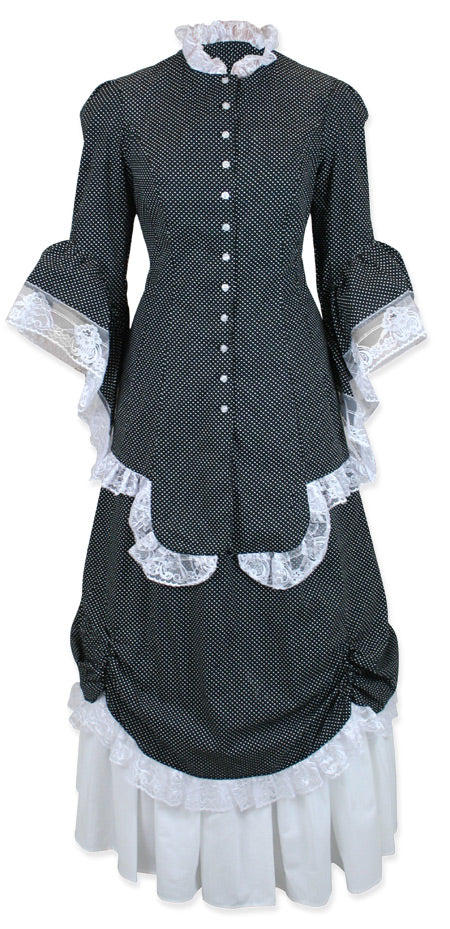
Gentlemen will appreciate our finely tailored frock coats and high-collared shirts, while ladies can select from elegant walking skirts and proper day dresses, most available in multiple colors and a wide range of sizes. Add character with our puff ties, delicate parasols, or pocket watches and spats. It's the small touches that complete an authentic ensemble.

You will attract attention at the Dickens Fair or Victorian tea party, these aren't costumes but premium Victorian clothing crafted for quality and comfort.

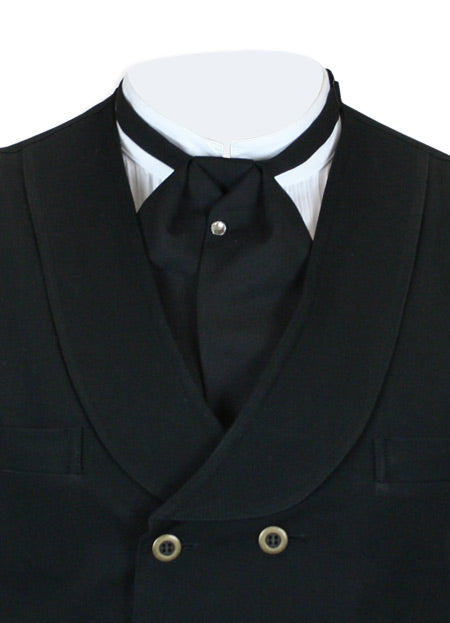
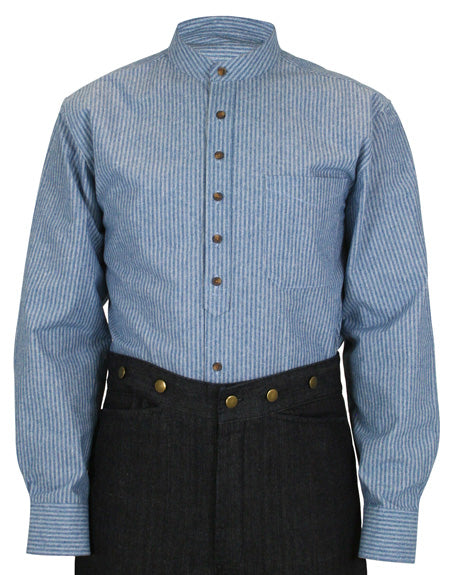
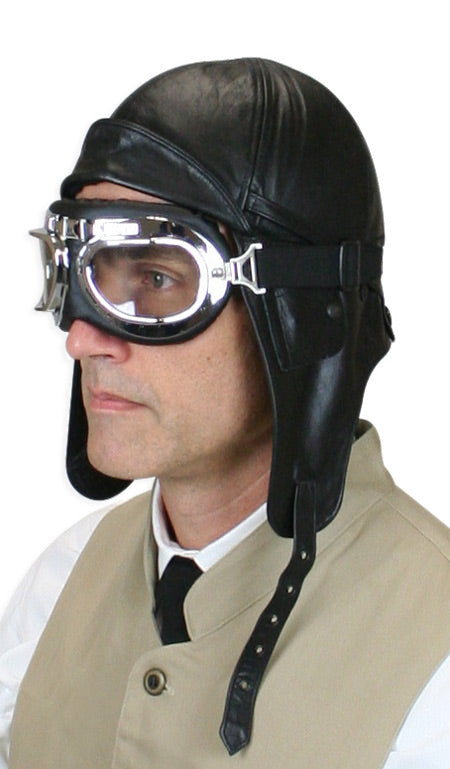
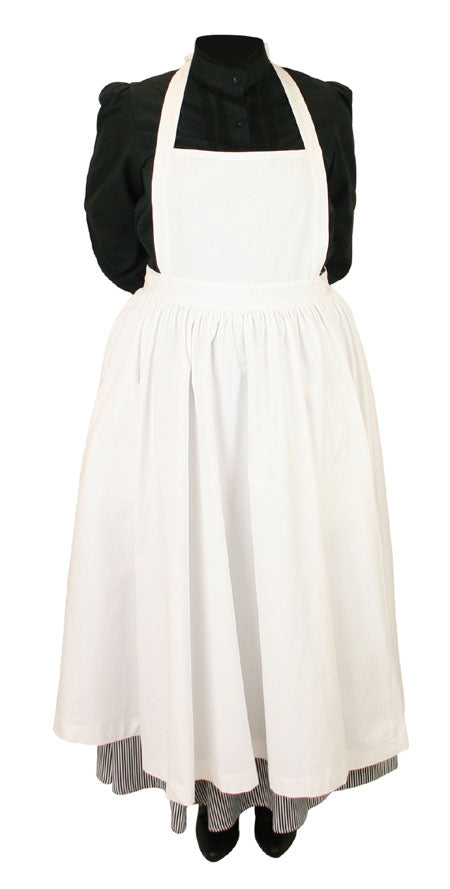
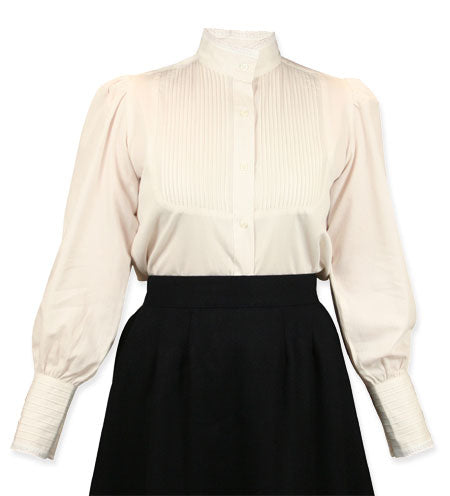
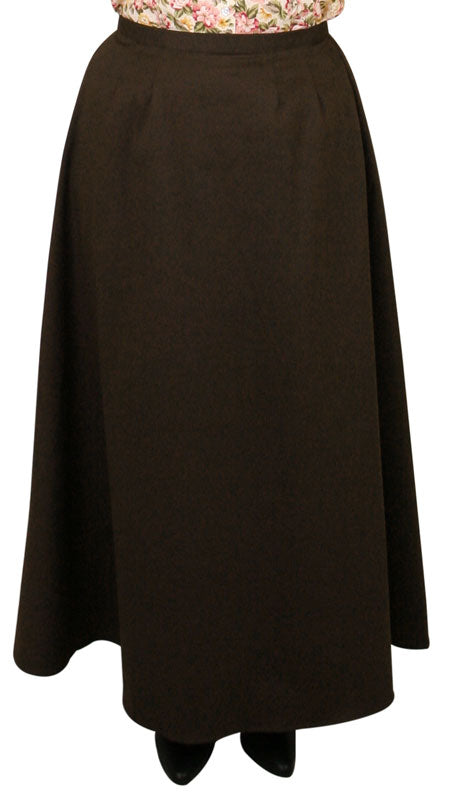
All of the products we sell are sold individually, but we have put together these full outfits to showcase the breadth of our line.

Click any image for a close-up and a list of the products shown, and please contact us if you have any questions!

Victorian Charm: Outfits with History
Filter

Filter

1240 products

Availability
Category
Color
  • Black (319 products)
  • White (200 products)
  • Beige (87 products)
  • Brown (175 products)
  • Red (174 products)
  • Blue (104 products)
  • Navy (19 products)
  • Gray (99 products)
  • Green (53 products)
  • Pink (17 products)
  • Purple (27 products)
  • Orange (1 products)
  • Yellow (5 products)
  • Multicolor (202 products)
  • Gold (52 products)
  • Silver (34 products)
  • Bronze (4 products)
  • Clear (9 products)
Size
Materials
Pattern
Price

The highest price is $324.95

$
$
Collar type
Sleeve length type
Back style
Fit
Footwear material
Heel height type
Scarf/Shawl style
Carry options
Suspender style
Decade
Care instructions
Stagecoach Y-Back Suspenders - Red Canvas (Long)

Stagecoach Y-Back Suspenders - Red

$35.95

+2
Get More Info
Sonora Hat - Sienna
Soft Gambler Hat - Pecan
Regal Cravat - Blue

Regal Satin Cravat - Blue

$24.95

+1
Get More Info
Ragtime Vest - Red/White Stripe

Ragtime Vest - Red/White Stripe

$74.95

Get More Info
Pleated Dress Shirt - White
Lamar Work Shirt - Burgundy

Lamar Work Shirt - Burgundy

$68.95

Get More Info
Ladies 1900s Bathing Suit - Black/White

Ladies 1900s Bathing Suit - Black/White

$67.95

Get More Info
Fundamental Work Shirt - Black

Fundamental Work Shirt - Black

$75.95

+5+7
Get More Info
Fontaine Vest and Tie Set - Forest Green

Fontaine Vest and Tie Set - Forest Green

$64.95

+1+3
Get More Info
Cotton Twill Walking Skirt - White

Cotton Twill Walking Skirt - White

$81.95

+3+5
Get More Info
Classic Cotton Cravat - Brown

Classic Cotton Cravat - Brown

$20.95

+1+3
Get More Info
Margery Blouse - White
Ladies Leather Victorian Boot - Black
Reversible Hat Spat (Short) - Black Cherry/Emerald Isle
Natural Elastic Y-Back Braces (Long)

Elastic Y-Back Braces - Natural

$32.95

+5+7
Get More Info
Norfolk Jacket - Olive Herringbone Tweed

Norfolk Tweed Jacket - Olive Herringbone

$174.95

+1
Get More Info
Battenberg Lace Fan - White

Battenberg Lace Fan - White

$20.95

+5+7
Get More Info
Battenberg Lace Fan - Black

Battenberg Lace Fan - Black

$20.95

+5+7
Get More Info

Q&A About Victorian Charm: Outfits with History

Victorian men (1837-1901) typically wore three-piece suits consisting of a matching coat, waistcoat, and trousers, with styles evolving throughout the era from frock coats to morning coats and eventually sack suits. White shirts with detachable collars were worn with cravats or neckties, while accessories included pocket watches, walking sticks, and hats appropriate to the occasion (<a href="/store/hats.php?type=Top Hats">top hats</a> for formal events, <a href="/store/hats.php?type=Derbies">bowlers</a> for business). Working-class men wore simpler, more durable versions of these styles with collarless shirts, sturdy trousers, work boots, and flat caps.

The Victorian era presented men with strict social codes governing behavior, dress, and career expectations based on class standing. Middle and upper-class men were expected to be respectable breadwinners with serious demeanors, while working-class men endured harsh labor conditions but often enjoyed more social freedom in pubs and sports. Throughout this period, ideal masculinity emphasized emotional restraint, moral rectitude, and physical vigor, with facial hair becoming increasingly popular as a symbol of manhood.

By the 1890s, men's fashion had evolved toward the modern suit with the sack suit becoming standard business attire, featuring straighter lines and less body shaping than earlier Victorian styles. These suits were typically dark-colored (navy, charcoal, black) with white shirts featuring high, stiff detachable collars and four-in-hand or bow ties, while the bowler hat dominated everyday wear. This decade saw the beginnings of sportswear's influence on men's fashion, with blazers and lighter-weight clothing becoming acceptable for leisure activities.

To achieve an authentic Victorian gentleman's look, start with a three-piece suit featuring a frock coat (early period) or sack coat (later period) with matching waistcoat and trousers in dark, solid fabrics or subtle patterns. Add a white shirt with a high collar, a cravat or necktie, leather boots or Oxford shoes, and appropriate headwear (top hat for formal occasions, bowler for business). Authentic accessories include pocket watches with chains, walking sticks, gloves, and facial hair styled according to the specific decade you're emulating.

Edwardian men's fashion (1901-1910) featured a more relaxed silhouette than the Victorian era, with longer, straighter jackets and trousers that were wider at the top and narrower at the ankle. The formal dress code remained strict with morning coats for day and <a href="/store/mens-coats.php?type=Tail Coats">tailcoats</a> for evening, though the lounge suit (forerunner to the modern business suit) gained acceptance for less formal occasions. Distinctive Edwardian elements included higher waistlines, sportier fabrics, softer collars, and accessories like homburg hats, colorful socks, and boutonnières.

Men in 1890 typically displayed a formal, dignified appearance with three-piece suits in dark colors, often featuring distinctive facial hair such as impressive mustaches, muttonchops, or full beards. Their silhouette was characterized by structured shoulders, a defined waist, and narrow trousers, while formal occasions called for top hats and <a href="/store/mens-coats.php?type=Frock Coats">frock coats</a>. Middle and upper-class men presented a neat, well-groomed appearance that emphasized respectability and prosperity, with most photographs showing serious expressions as smiling was considered inappropriate for formal portraits.

Victorian fashion (1837-1901) was characterized by structured silhouettes, dark colors, and formal dress codes, while Edwardian style (1901-1910) introduced a more relaxed silhouette with lighter fabrics and greater emphasis on sports and leisure wear. The transition between eras saw Victorian moral strictness giving way to Edwardian elegance and luxury, particularly among the upper classes. Technologically, the Edwardian period embraced new innovations like automobiles, telephones, and electric lighting that began to transform daily life beyond the steam-powered Victorian world.

Men's fashion in the 1910s featured a slimmer silhouette than the previous decade, with narrower, higher-waisted jackets and trousers that were often cuffed at the ankle. Business suits became less formal with softer shoulders and lighter fabrics, while shirts began featuring attached collars and soft cuffs. The decade was significantly disrupted by World War I (1914-1918), which introduced military influences to civilian clothing and accelerated the trend toward more practical, comfortable menswear.

Working-class Victorian men wore practical, durable clothing suited to their labor, typically including heavy cotton shirts without detachable collars, sturdy wool or moleskin trousers held up by suspenders, and hardwearing boots. For outerwear, they relied on wool jackets or coats and flat caps or bowlers rather than top hats, while laborers often wore specialized clothing adapted to their trades. The poorest men might wear secondhand or patched clothing, with garments being mended repeatedly rather than replaced, creating a marked visual difference between social classes.

Regency gentlemen (1811-1820) wore tailored clothing that emphasized a natural male silhouette with minimal padding or structure. Their essential wardrobe included a cutaway tailcoat with high collar, form-fitting waistcoat, high-waisted pantaloons or breeches, meticulously arranged cravat, and Hessian boots for day or pumps for evening. This period, influenced by Beau Brummell's understated elegance, saw men's fashion transition from the ornate styles of the 18th century toward the more restrained aesthetic that would evolve into Victorian menswear.

Victorian gentlemen typically wore long nightshirts to bed, which were loose-fitting garments made of cotton, linen, or flannel that extended to the knees or below. Wealthier men might wear nightcaps to keep their heads warm in unheated bedrooms and had dressing gowns or robes to wear over their nightshirts when not in bed. By the late Victorian period, two-piece pajamas began gaining popularity, particularly among the upper classes who were influenced by British colonial experiences in India.

Upper-class Victorian gentlemen displayed their status through impeccably tailored clothing made from the finest materials, following strict dress codes appropriate for different times of day and occasions. For morning and business, they wore frock coats or morning coats with striped trousers, while evening events required black tailcoats with white waistcoats and starched white shirts. Their wardrobes included numerous specialized garments for different activities (riding, shooting, yachting), and they changed clothes multiple times daily, with accessories like gold watches, walking sticks, and top hats completing their refined appearance.

Men in historical photographs often appear older than their actual age due to several factors including formal posing with serious expressions, the aging effects of harsher living conditions, and fashion choices like facial hair that added maturity. Hard physical labor, limited healthcare, and exposure to the elements caused premature aging, particularly among working classes. Additionally, cultural expectations encouraged young men to adopt adult appearances earlier, with teenagers often dressing identically to mature men and assuming adult responsibilities at younger ages than in modern times.

Nineteenth-century masculinity centered around the concepts of moral character, physical strength, emotional self-control, and being the family breadwinner and protector. Proper gentlemen were expected to display courage, honor, and integrity while maintaining proper conduct in business and social settings. Physical attributes of masculinity evolved throughout the century, with facial hair becoming increasingly important from the 1850s onward, while participation in sports and outdoor activities demonstrated the robust vitality expected of the ideal Victorian man.

Your Recently Viewed Items