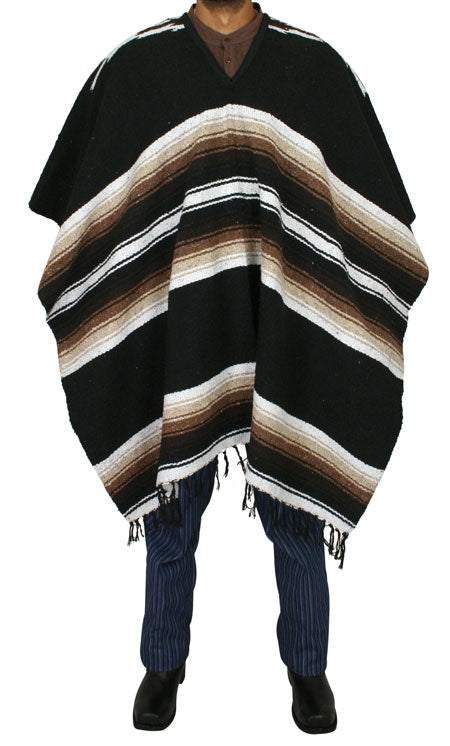
Vintage Style Men's Cloaks

The Inverness Coat, also known as an Ulster coat, was a garment that began in the 1850s as an outer-coat with sleeves covered by a long cape. The coat maybe finished in one of two styles: the more formal is a topcoat with short lapels, or the more casual, without lapels but with a full cape.

The Inverness Cape came into being in the 1880s and has no sleeves under the cape. The Inverness Cape is favored in the Scottish Highlands, as the wide armholes allow access to a sporran without unbuttoning the coat.

These capes and cloaks have been worn by many a dashing character, including Sir Arthur Conan Doyle's Sherlock Holmes, the BBC's Doctor Who, and more recently in Tim Burton's Dark Shadows.

We are proud of our wide selection of Mens Cloaks, featuring Inverness Coats & Capes. If you have any questions or need further assistance, please contact us and we will be happy to assist you.

Vintage Style Men's Cloaks
Filter

Filter

3 products

Availability
Category
Color
  • Black (1 products)
  • Brown (1 products)
  • Green (2 products)
  • Multicolor (3 products)
Materials
Pattern
Price

The highest price is $151.95

$
$
Sleeve length type
Care instructions

Q&A About Vintage Style Men's Cloaks

The Inverness cape is a distinctive Victorian outerwear garment combining elements of a coat and cape. It features a closed front like a conventional overcoat, but with cape-like fabric draped over the shoulders and arms with openings for the arms to pass through. The design offered warmth while maintaining freedom of movement, making it popular for both formal occasions and practical weather protection.

The Inverness cape is named after the town of Inverness in the Scottish Highlands, where a similar style was traditionally worn. The garment gained wider popularity throughout Britain during the Victorian era when Scottish styles were fashionable. The name also helped manufacturers market it as authentically Scottish, capitalizing on the romanticized view of Highland culture popular during the 19th century.

The Inverness features a distinctive shoulder cape over a closed-front coat, while the Ulster is a heavy, long overcoat with a removable cape. The Inverness has unique arm slits in its shoulder cape, whereas the Ulster's cape is separate and covers the shoulders without specialized openings. The Ulster is generally bulkier and designed more for cold weather, while the Inverness offers a more formal appearance suitable for evening wear.

The Inverness cape's special design combines the warmth of a coat with the distinctive style and mobility of a cape. Its unique feature is the slits in the cape section allowing arms to pass through, making it more practical than a traditional cape while maintaining its dramatic silhouette. This ingenious design made it popular for both practical purposes and as a fashion statement among Victorian gentlemen.

Sherlock Holmes is often depicted wearing an Inverness cape or a similar Ulster coat in illustrations and adaptations. In Sir Arthur Conan Doyle's original stories, Holmes is specifically described wearing an "Ulster" in "The Adventure of the Blue Carbuncle," though illustrator Sidney Paget often showed him in an Inverness cape. This association made the Inverness cape an iconic part of the detective's image in popular culture.

Barnabas Collins, the vampire character from the Gothic television series "Dark Shadows," is iconically portrayed wearing an opera cape or Inverness-style cape coat. His distinctive formal attire included a black cape with red satin lining, often worn over a Victorian-style suit with a walking stick featuring a silver wolf's head. This cape became a signature element of the character, reinforcing his aristocratic 18th-century origins and supernatural nature.

Jack the Ripper, the unidentified Victorian serial killer, was often described in contemporary accounts as wearing a dark overcoat or long coat, possibly an Ulster coat or Mackintosh. Police reports and witness statements from 1888 mention a man in a "long dark coat" or wearing a "dark coat." This description fits with standard gentlemen's outerwear of the period, which would have been practical for concealing evidence and blending into the foggy streets of East London at night.

Historical cape styles include the full circle opera cape worn for formal evening wear; military capes with specific regimental designs; the Inverness cape with its unique arm openings; shorter shoulder capes like pelerines worn by women; academic and clerical capes denoting status; coaching capes for protection while driving carriages; and national styles like the Scottish Highland cloak and Spanish capa. Each style served different purposes from practical weather protection to formal fashion statements.

The Donegal overcoat is a traditional Irish coat made from Donegal tweed, a distinctive fabric featuring colorful flecks or slubs in the weave. Unlike the Inverness cape, it's a conventional overcoat without a cape element, typically featuring a single or double-breasted front, notched lapels, and a straight cut. Named after County Donegal in Ireland where the characteristic tweed originated, it exemplifies Irish craftsmanship and rural style.

Your Recently Viewed Items