Vintage Men's Caps

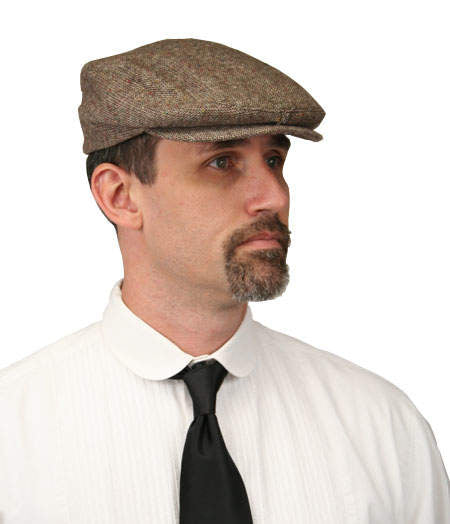
For style and comfort, nothing beats a soft mens cap. This is as true today as it was 100 years ago.

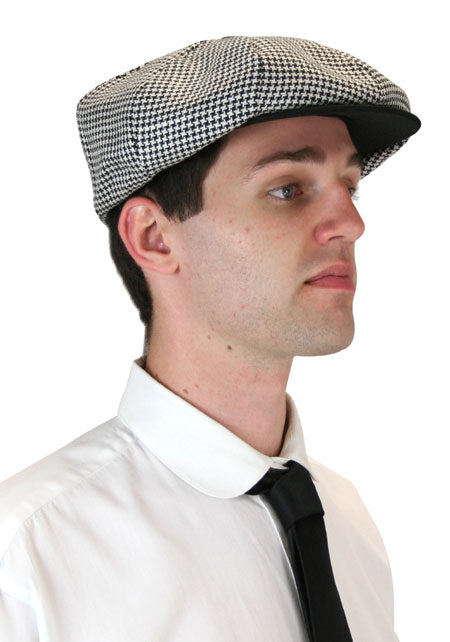
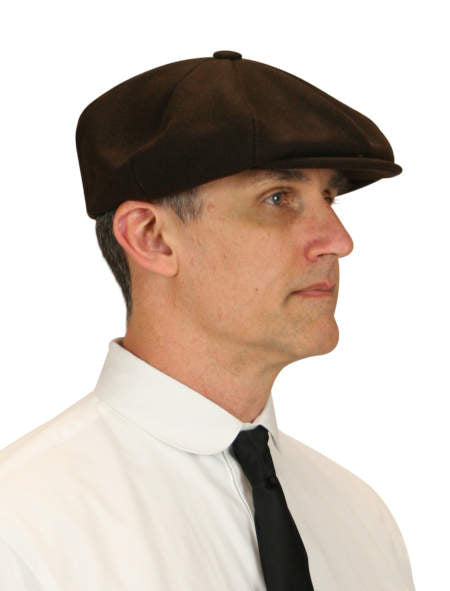
Often referred to as newsboy caps, driving caps, or eight-quarter caps (for the pieced crown style,) we carry a full line of linen, cotton, and tweed caps that look great in historical settings, or as a great vintage accent to a modern wardrobe.

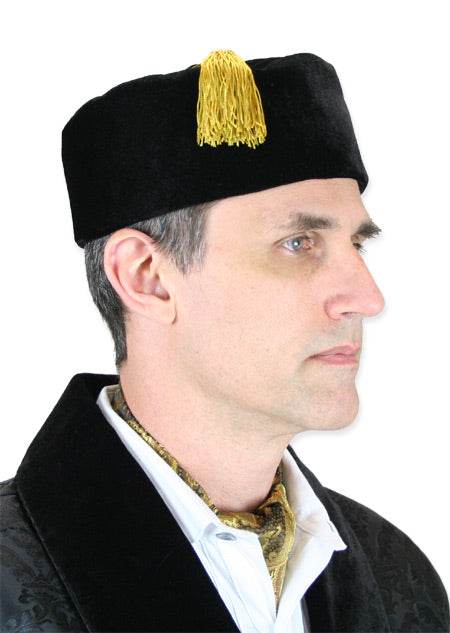
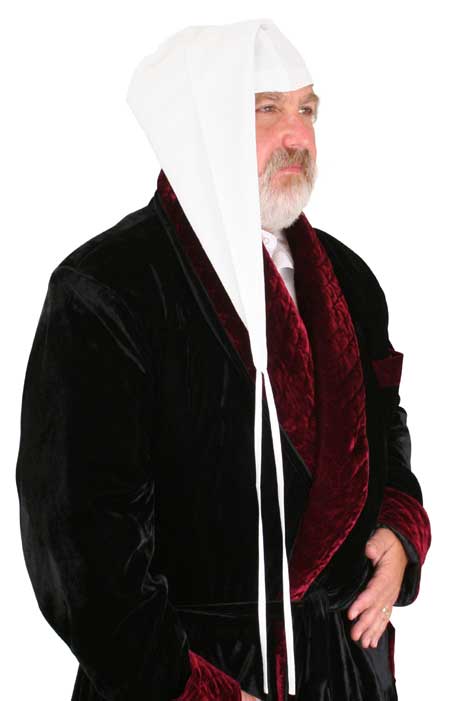
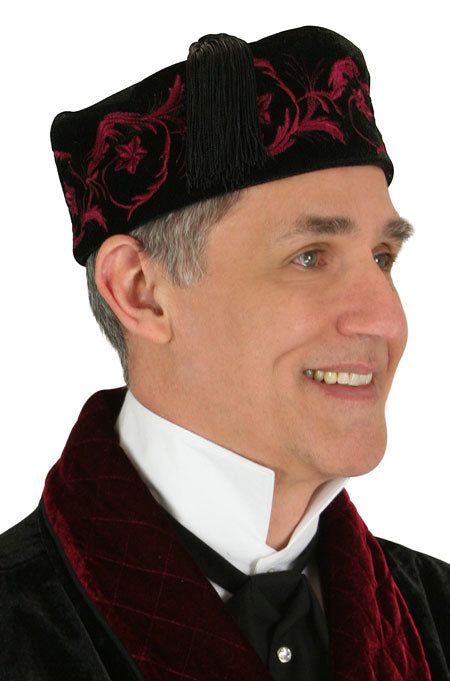
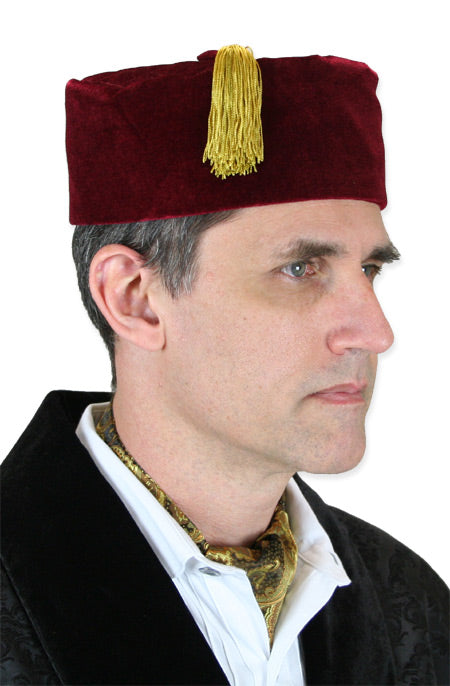
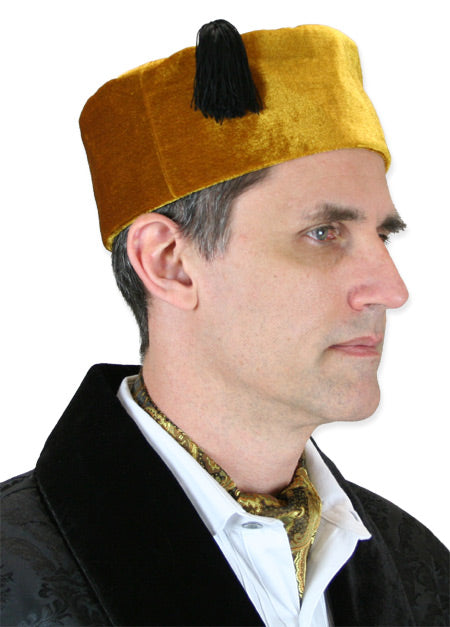
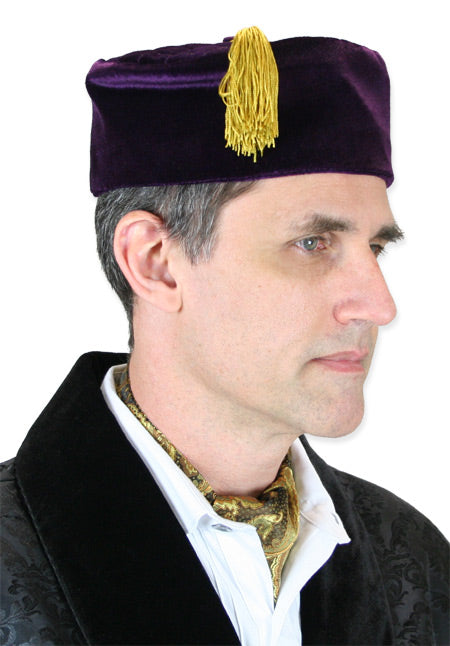
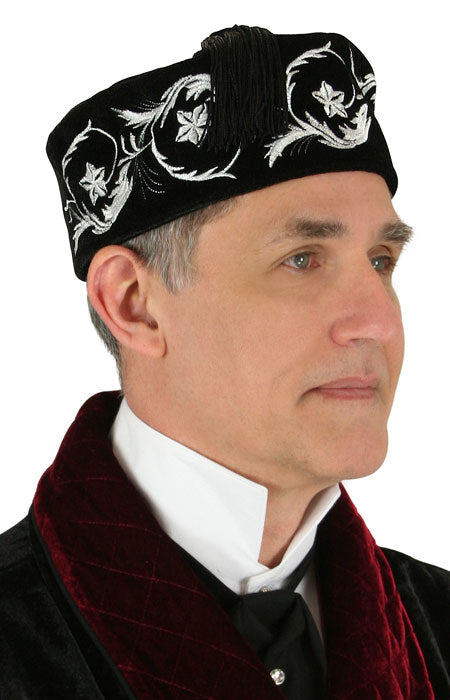
For evening lounging, men would ward off the chill of the smoking porch wearing elaborate velvet smoking caps.

We offer a full line of men's period clothing styles which are suitable for movie and TV production, theatrical, living history and performing arts requirements, and are also perfect for vintage weddings. Please contact us if you have any questions!

Vintage Men's Caps
Filter

Filter

19 products

Availability
Product type
Category
Color
  • Black (6 products)
  • White (1 products)
  • Brown (3 products)
  • Red (4 products)
  • Gray (2 products)
  • Green (1 products)
  • Purple (1 products)
  • Multicolor (1 products)
  • Gold (1 products)
Size
Materials
Pattern
Price

The highest price is $58.95

$
$
Decade

Q&A About Vintage Men's Caps

The difference between a flat cap and a newsboy cap is primarily in their construction and silhouette. Flat caps have a sleek, streamlined profile with a small, stiff brim, while newsboy caps are fuller with a rounder, puffed crown made from multiple panels that come together at a button on top, giving them a more voluminous appearance.

Victorian men wore flat caps primarily during the mid-to-late 19th century as practical everyday headwear. These caps were commonly associated with the working class and were worn for labor, outdoor activities, and casual occasions, while the upper classes might wear them for country pursuits like hunting or fishing.

People wear flat caps for both practical purposes and fashion appeal. These caps provide protection from the elements while offering a classic, versatile style that has endured for generations, transitioning from working-class necessity to fashionable headwear appreciated across social classes for its timeless aesthetic and functional design.

The origin of the flat cap dates back to 14th century Northern England and parts of Scotland. The style was formalized in 1571 when an English law mandated wool caps for non-noble men on Sundays to support the struggling wool industry, which helped popularize what would eventually evolve into the modern flat cap.

Traditional men's caps are made from a variety of materials including wool, tweed, cotton, and leather. Wool and tweed caps were particularly popular for colder weather, while lighter materials like cotton and linen were used for summer caps, with leather being utilized for more durable, weather-resistant headwear.

To care for a men's cap, gently spot clean with appropriate cleaners for the material, reshape when damp, and allow to air dry away from direct heat or sunlight. Store caps on a hat stand or stuffed with acid-free tissue to maintain their shape when not in use.

Pilots wore aviator helmets to protect themselves from the extreme cold, wind, and noise experienced in early open-cockpit aircraft. These helmets provided crucial insulation and protection while flying at high altitudes in unpressurized cabins during the early days of aviation.

The purpose of the aviator hat is to protect pilots from extreme weather conditions while flying in open or unpressurized cockpits. These hats were designed with ear flaps, chinstraps, and insulation to shield aviators from cold temperatures, wind, and engine noise during flight.

Aviator helmets were worn primarily by military and civilian pilots during the early era of aviation (1910s-1940s). They were essential equipment for pilots of open-cockpit aircraft, including famous aviators like Amelia Earhart and Charles Lindbergh, as well as military pilots during both World Wars.

Men wore smoking caps to protect their hair from tobacco smoke odors while enjoying cigars or pipes in smoking rooms. These ornamental caps were popular among Victorian and Edwardian gentlemen as both functional items to prevent smoke absorption in their hair and as fashionable accessories for leisure time.

Smoking caps originated in Turkey and the Middle East before being adopted by European men in the 19th century. They became popular during the Victorian era when smoking tobacco became a gentlemanly ritual, with caps being worn during evening leisure time to protect hair from smoke while adding a touch of exotic elegance to a gentleman's attire.

A deerstalker cap is a traditional British hunting hat characterized by its crown, visors at front and back, and ear flaps that can be tied up or down. It became especially popular during the Victorian era for country sports and gained iconic status when associated with fictional detective Sherlock Holmes in the late 19th century.

Your Recently Viewed Items